About Us
Personal Bios
Rahul Tiwari
Managing Director
Karan Tiwari
Managing Director
Salmaan Lodhi
Managing Director
Managing Director
Managing Director
Managing Director
Within healthcare settings, change can be challenging. It requires integrated and comprehensive evaluation of a given concern and a project management lens to envision and enact solutions. This can be a daunting undertaking in the shadow of delivering care, which may lead to stagnation within an organization and their services. Quality improvement is the process in which positive changes to yield stronger care outcomes can be achieved. It involves understanding a problem, including what contributes to it and the impact of it. This understanding informs potential changes and evaluation of barriers to implementing these solutions. Ultimately the goal of quality improvement is to successfully change a process wherein the change supports the strength of the intended outcome measure.
LTHC is well versed in coordinating and managing the quality improvement process. Our consultants utilize industry-standard LEAN project management methodology to efficiently guide your team through the methodical process of quality improvement. We have supported Emergency Department hospital teams in collaborating to identify areas for change to improve patient flow by organizing and facilitating stakeholder consultations. This process further allowed the LTHC team to guide solution development and implementation wherein we identified procedures that could be made more efficient in the patient journey. Finally we ensured sustainability of this improvement by conducting fulsome outcome measures and stakeholder engagement.
Accreditation allows organizations to ensure care standards are being met, and communicate to service beneficiaries that certain parameters have been assured. Organizations bearing accreditation status can attest that their policies and procedures are of a specific standard that are vetted by the third-party accreditor. This supports informed decision making for the public, and capacity for an organization to ensure high quality standards are being met. Accreditation requires extensive, rigorous auditing and assessment of an organization’s policies and how they are adhered to in delivering services, which are compared to evidence-based standards set out by the accreditation body. Successfully accredited organizations are able to communicate their commitment to delivering consistent quality in service of continuous improvement.
At LTHC, our consultants have supported organizations in preparing for the accreditation process. The expertise brought by our consultants ensure a seamless understanding of the process to set realistic expectations and provide guidance throughout. By conducting internal policy reviews and procedure assessments, we are able to support stakeholders in increasing their likelihood of achieving high-level accreditation statuses. Previously our consultants have worked with mental health organizations to develop a host of new policies aligned with the Commission of Rehabilitation Facilities standards which allowed them to achieve long-standing accreditation status. Our services efficiently enable your team to approach accreditation with confidence, organization, and ease.
Current data indicates that 1 in 2 Ontarians will develop cancer in their lifetime, and approximately 1 in 4 are expected to die from the disease. This statistic underscores the critical role of primary care in ensuring effective screening programs that facilitate early diagnosis and intervention. The COVID-19 pandemic forced Ontario to suspend or limit non-urgent healthcare services, including cancer screening. Although efforts have been made to recover from the disruption of cancer screening services during the pandemic, gaps in access to screening persist, particularly among people living in neighborhoods with higher levels of material deprivation and ethnic concentration. This emphasizes the need to prioritize equity in cancer screening (Ontario Cancer Screening Performance Report 2023).
LTHC consultants co-developed a Cancer Screening program within a primary care organization and increased patient participation in screening significantly by:
Equity, Diversity, and Inclusion (EDI) have become a key focus for healthcare organizations and leaders. Increasing socioeconomic challenges, along with persistent health disparities across the social gradient, have prompted healthcare practitioners, leaders, and researchers to explore how the healthcare system can help ensure that everyone has the opportunity to achieve good health.
Equity, Diversity, and Inclusion can be defined as (Source):
Equity: Where everyone is treated according to their diverse needs in a way that enables all people to participate, perform, and engage to the same extent.
Health Equity: Removing institutional and discriminatory barriers that lead to health inequities and inequality. This includes factors within the healthcare system, such as racism and sexism, as well as factors outside the healthcare system, such as poverty and unequal distribution of resources.
Diversity: The variety of unique dimensions, qualities, and characteristics we all possess, and the mix that occurs in any group of people. Race, ethnicity, age, gender, sexual orientation, religious beliefs, economic status, physical abilities, life experiences, and other perspectives can make up individual diversity. In the medical community, diversity often refers to the inclusion of healthcare professionals, trainees, educators, researchers, and patients of varied race, ethnicity, gender, disability, social class, socioeconomic status, sexual orientation, gender identity, primary spoken language, and geographic region.
Inclusion: Creating a culture that embraces, respects, accepts, and values diversity. It is a mindful and equitable effort to meet individual needs so everyone feels valued, respected, and able to contribute to their fullest potential. Where diversity occurs naturally, creating the mix in the organization, inclusion is the choice that helps the mix work well together.
Inclusion means giving associates and patients from all backgrounds a voice in providing and receiving high-quality care. This act starts with encouraging a diverse healthcare staff to participate in the patient experience.
LTHC Consultants collaborated with a primary care organization to advance Equity, Diversity, and Inclusion (EDI) through the following initiatives:
Ontario continues to experience rapid population growth, driven by newcomers seeking a happy and prosperous life for themselves and their families. Simultaneously, the province’s population is aging and socioeconomic challenges such as housing and food insecurity, stagnant wage growth, and inflation continue to impact health. Healthcare organizations and systems must be able to respond to the demands placed upon them in an efficient manner. A key aspect of this is ensuring that healthcare programs and services are designed to effectively meet the needs of the communities they serve.
LTHC consultants supported a primary care organization in planning a major expansion of its core health services to better serve the rapidly growing areas of their community. To prepare for this service expansion, LTHC consultants conducted a community needs assessment that involved:
The findings were summarized in a report presented to senior leadership, offering recommendations for service expansion. The stakeholder engagement process also helped establish new partnerships with community organizations.
LTHC has experience conducting primary care program evaluation to determine a program’s effectiveness, efficiency, and impact on patient/client outcomes. Key tools and methods used to conduct program evaluation include:
LTHC consultants worked on the evaluation of a primary care program focused on the care of adults over the age of 65 living with one or more comorbidities. Patients enrolled in this program received wrap-around care from Family Doctors, Nurse Practitioners, Registered Nurses, Registered Pharmacists, Registered Dietitians, and Registered Social Workers. In addition to receiving care from providers involved with the program, patients requiring higher-level care due their prognosis are referred to specialty clinics located in the community or local hospital system. After the evaluation was completed, a detailed report was developed that outlined key findings, incorporated stakeholder feedback and experiences, analyzed both qualitative and quantitative program data, and offered recommendations to address the most critical gaps in the program. The report also included an action plan for implementing these recommendations.
Operating a medical clinic involves managing a variety of essential components to ensure smooth functioning, high-quality patient care, and regulatory compliance. LTHC consultants managed and operated a COVID-19 Clinical Assessment Clinic from the onset and throughout the peak times of the COVID-19 pandemic. During this time, the clinic conducted:
Key elements of operating a clinic include:
A market and costing analysis is a comprehensive evaluation that helps organizations understand both the market dynamics and the financial implications of a project, product, or service.
In the healthcare field, a market and costing analysis can take different forms depending on whether the venture is funded through public funds (e.g., government programs, grants, or non-profit entities) or private investment (e.g., personal investment, private equity, venture capital, or commercial financing). This distinction influences the approach to both the market and costing analysis due to differences in objectives, stakeholders, and financial expectations.
A market analysis assesses the market conditions related to a particular product, service, or idea. It aims to identify:
A costing analysis focuses on understanding the financial aspects and cost structure of the project, product, or service. It includes:
Together, a market and costing analysis provides valuable insights into the viability and profitability of a venture. It informs decision-making on whether the market conditions are favourable and whether the costs align with financial goals.
LTHC consultants conducted a market and costing analysis for Anamav Postnatal Care. Anamav offers some of the most essential services that a new mother needs: an extra set of hands, someone to offer words of comfort or just listen, and lactation support for those who choose to and are able to breastfeed. Anamav is on a mission to provide a safe, nourishing environment for parents who have just had a baby, and to provide support and education so that they have a stronger foundation. Currently, Anamav is providing their services in the home of their clients, however, they have a bold vision to open up a postnatal care centre where families can access all the support they need, 24 hours a day.
Healthcare leaders, organizations, and innovators are constantly coming up with new ideas to provide safer, higher quality care to patients and clients. A feasibility study is an analysis conducted to assess the practicality and potential success of a proposed project or idea. It evaluates various factors, including technical, financial, legal, and operational aspects, to determine whether the project is viable and worth pursuing. The goal of a feasibility study is to identify potential challenges, risks, and benefits, and to provide decision-makers with the information needed to make informed choices. The study typically covers:
A healthcare feasibility study must also determine whether the proposed idea is grounded in evidence-based practices, meaning it should be supported by current research, clinical trials, or proven methodologies that demonstrate its effectiveness. Additionally, it is essential to assess whether the idea complies with ethical standards, ensuring that it respects patient rights, maintains confidentiality, and prioritizes informed consent. Safety is another critical aspect; the study should evaluate potential risks to patients, healthcare providers, and the broader community, and ensure that appropriate safeguards and protocols are in place to mitigate harm and promote overall well-being.
LTHC consultants conducted a feasibility study for Anamav Postnatal Care. Anamav offers some of the most essential services that a new mother needs: an extra set of hands, someone to offer words of comfort or just listen, and lactation support for those who choose to and are able to breastfeed. Anamav is on a mission to provide a safe, nourishing environment for parents who have just had a baby, and to provide support and education so that they have a stronger foundation. Currently, Anamav is providing their services in the home of their clients, however, they have a bold vision to open up a postnatal care centre where families can access all the support they need, 24 hours a day.
Managing Director
Email: slodhi@lthealthcollab.com
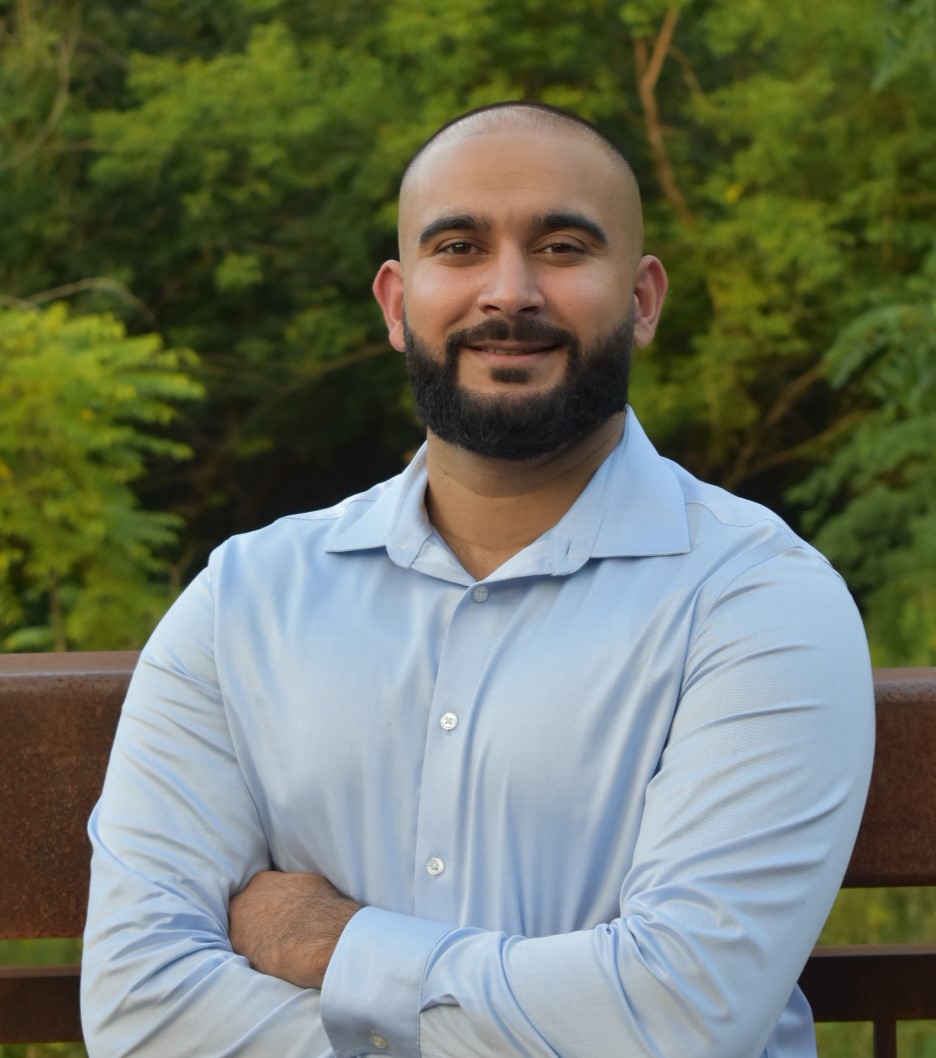
Salmaan holds a Bachelor of Science in Psychology, Neuroscience, and Behavior alongside a Master of Business Administration from McMaster University. His career has focused on project management and optimization at various levels of healthcare.
Salmaan’s work experience in case management, primary care, hospital settings, and governing bodies have equipped him with expertise in healthcare delivery at all levels. Some key projects include organizational accreditation preparation and policy review, hospital service delivery optimization through a complete process assessment and redesign using LEAN methodology, and establishing and operating new healthcare clinics. Recently he has led large hospital networks in multi-year capacity planning through supply and demand analysis and supporting government relation engagements. This experience has supported the acquisition of his PMP designation, which allows him to support projects throughout their entire life cycle and create effective, impactful deliverables.
Salmaan welcomes endeavors around integrative healthcare, quality improvement, and optimization. He is passionate about delivering high quality health services that diminish health disparities and create equitable care opportunities for all.
Managing Director
Email: ktiwari@lthealthcollab.com
Karan earned his Bachelor of Science in Kinesiology from the University of Waterloo and brings several years of clinical experience gained through placements and training in clinics and hospitals across North America during his time as a medical student at Saba University School of Medicine. His educational and professional journey has been driven by a passion for ensuring that individuals have access to the care, resources, and support they need to contribute meaningfully and thrive within their communities. His exposure to diverse healthcare settings has also provided him with a strong understanding of the various models of care delivery and the unique challenges and opportunities within each.
Since stepping away from clinical medicine, Karan has developed a keen interest in leveraging emerging technologies and data-driven solutions to help organizations deliver more effective, accessible, and efficient care to the communities they serve. He is particularly interested in improving healthcare supply chain management across Canada and internationally. This evolving focus has led him to pursue opportunities at the intersection of technology and healthcare, including working with an IT company that specializes in providing technology solutions and support to nonprofit and healthcare organizations. He is also exploring professional certifications in Global Supply Chain Management to further develop his expertise and establish a stronger presence in this growing field.
Managing Director
Email: rtiwari@lthealthcollab.com
Rahul is a healthcare strategist and project manager with experience across primary care, hospital services, and community health. His expertise includes strategic planning, project management, service and facility planning, quality improvement, and performance measurement. He works collaboratively with healthcare professionals, organizational leaders, and community partners to translate complex needs into practical, evidence-informed solutions that improve patient access and experience, strengthen operations, and support integrated care.
Rahul brings experience leading cross-functional initiatives, developing community-based service models, and aligning people, resources, and processes with organizational priorities. He is committed to building a more equitable, accessible, and coordinated healthcare system and addressing the broader conditions that shape health and well-being.
His background as a certified Primary Care Paramedic brings a clinical perspective to his work and informs his understanding of patient and frontline provider needs. Rahul holds a Bachelor of Science in Kinesiology from the University of Waterloo and a Master of Public Health from McMaster University.